
Free shipping
Description
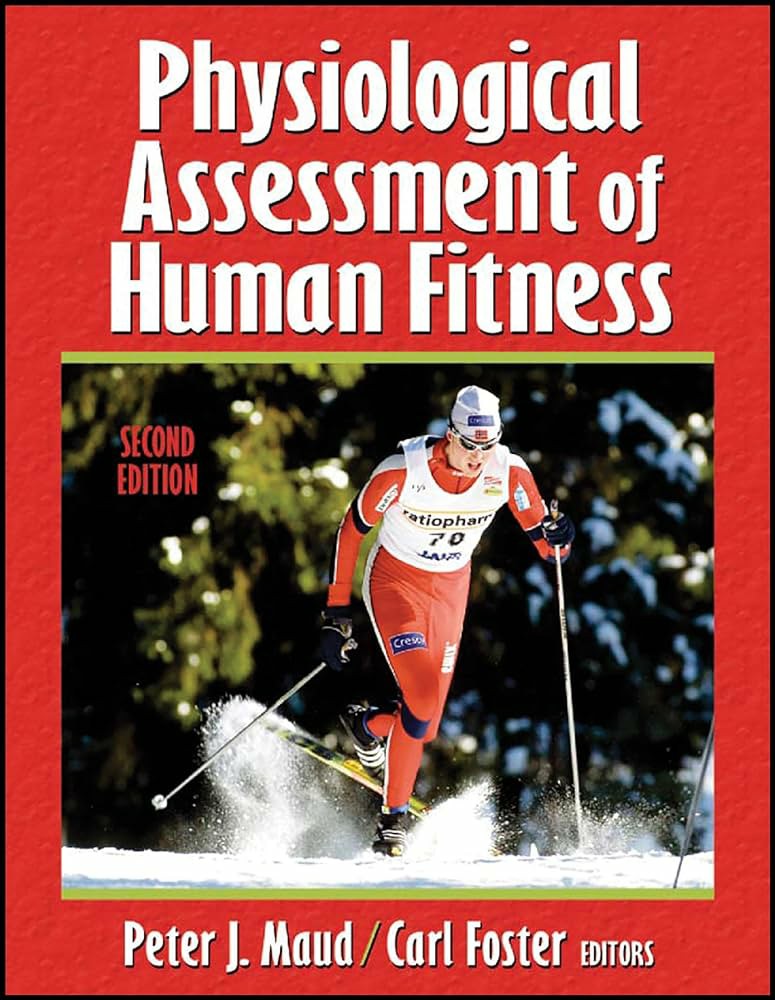
Aimed at students of exercise physiology as well as health professionals working in clinical exercise physiology and physiotherapy. Covers assessment methods for aerobic and anaerobic power heart rate variability pulmonary gas exchange mechanical power and strength muscio structure and function body composition anthropometry joint range of motion and field testing of athletes. Provides a rationale for methods of assessment examining the limitations of certain methods and providing details of alternative techniques. Considers the use of near-infrared spectroscopy a new non-invasive technique believed to hold great potential for the evaluation of response to exercise training programmes.
Features
ISBN:
9780736046336
Author:
MAUD,PJ
Publisher:
Human Kinetics Publisher