
Description
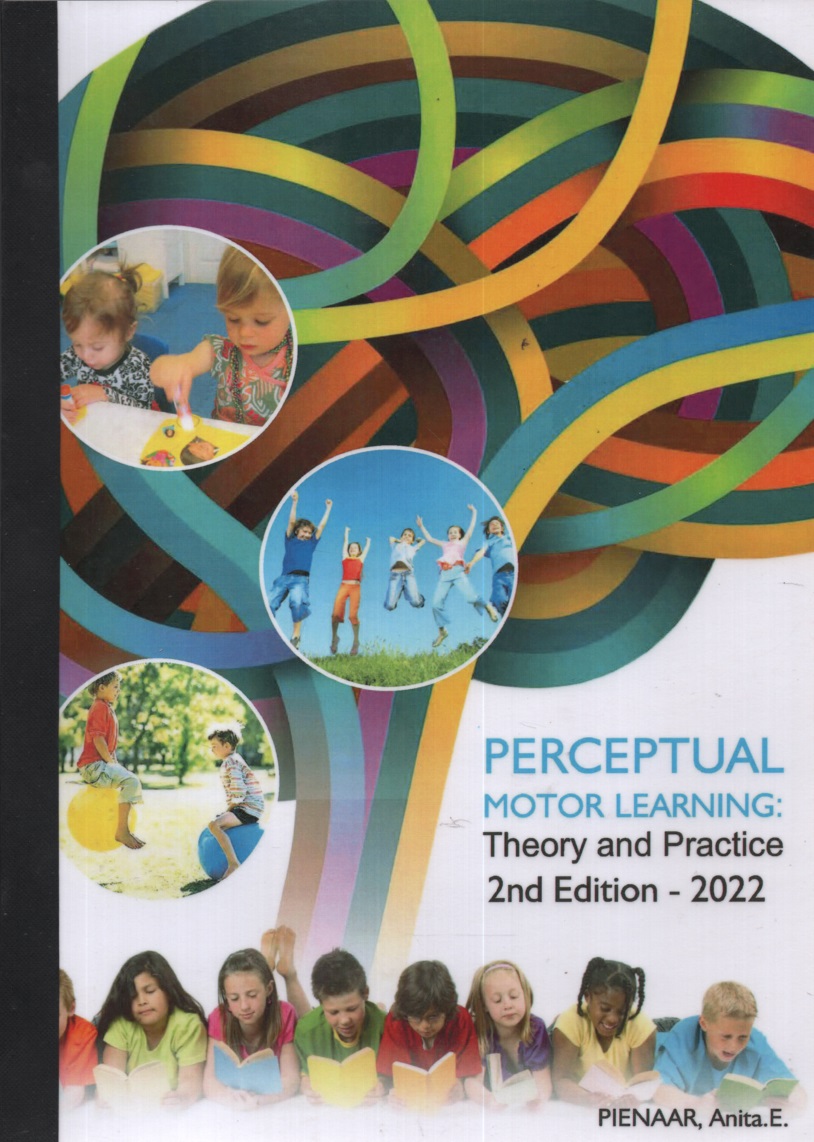
Perceptual Motor Learning: Theory and Practice explores the vital role of movement in early childhood development. Humans are physical, spiritual, and psychological beings, and motor control, coordination, and brain growth are crucial in shaping a childs overall development. However, modern sedentary lifestyles and reduced physical education in schools have led to a decline in childrens physical activity, contributing to rising obesity and health concerns. Scientific research highlights windows of opportunitycritical periods when motor development is most effective. Movement activities are essential for developing key skills such as balance, coordination, and perception, which influence academic readiness, language abilities, and self-confidence. This book provides essential knowledge on perceptual-motor learning, equipping educators, physical development professionals, and movement specialists with the tools to optimise motor skills in children of all abilities.
Features
ISBN:
9781776304516
Author:
POLLEY,M
Publisher:
ARISTATA POTCHEFSTROOM